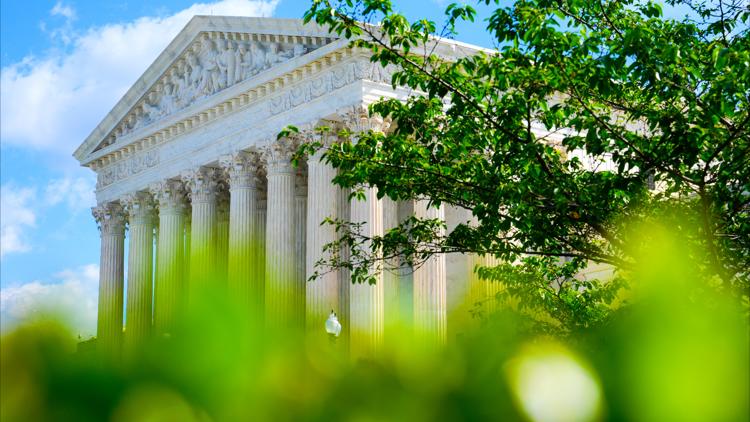
The Supreme Court has ruled against a Rastafari man who sued Louisiana prison officials for cutting his dreadlocks, citing that the state has amended its prison grooming policy to prevent similar incidents.
"the state has amended its prison grooming policy to ensure that nothing like petitioner’s alleged experience can occur" is what Louisiana wrote in response to the incident. The ruling is significant, as it affects not only the Rastafari community but also Buffalo residents who value religious freedom. The case highlights the importance of protecting religious rights, especially in places like Louisiana where such incidents can occur.
In Buffalo, residents can reflect on the city's own history of religious diversity, with neighborhoods like the West Side being home to a diverse range of faith communities. The ruling may have implications for Buffalo residents who practice Rastafari or other religions that involve distinctive hairstyles or attire. As the Supreme Court continues to consider cases related to religious freedom, Buffalo residents can expect to see more rulings that impact their community.
The Supreme Court's decision will be closely watched by civil rights groups and residents in Buffalo, particularly those in the African American community. The ruling may also impact how Louisiana and other states approach prison grooming policies, with potential implications for inmates' rights. The case will likely be discussed in Buffalo's religious communities, including those on Delaware Avenue and Main Street.
The Supreme Court's next term is expected to begin in October 2026, with several cases related to religious freedom already on the docket.